

Ballistic analysis, handwriting examination and fingerprint comparison are forensic methods used for decades within the criminal legal system that have come under scrutiny in recent years. Defense teams across the country increasingly hire costly expert witnesses to challenge what some call the misuse of forensic sciences.
In Douglas County, the Public Defender’s Office recently requested a budget increase for the 2026-2027 fiscal year of $45,000 in professional fees needed to pay those experts.
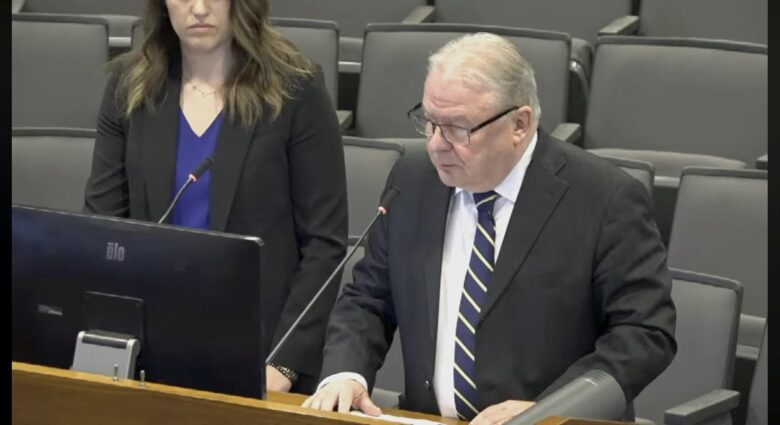
“It’s becoming more and more apparent that as defense lawyers, if the state is going to use that type of evidence, it’s incumbent upon us to challenge it, or make sure that it’s somewhat accurate,” said Thomas Riley, who has served as Douglas County public defender since 1995.
There are qualified professionals willing to lend their time for free, but some needed experts can charge anywhere from $100 to $300 per hour, Riley said.
He pointed to a long list of methodologies where he’d like a second opinion. For example, he’s called on an expert from Scotland who specializes in a computer software called STRmix. The relatively new program assists in analyzing mixed DNA samples using a method known as probabilistic genotyping that differs from traditional methods of DNA analysis.
Critics of the software say the new method produces less-certain conclusions.
The misapplication of forensic science is the second-most common contributing factor to wrongful convictions, according to the Innocence Project, a nonprofit that works to exonerate those wrongfully convicted of a crime. The organization estimates that flawed forensic methodologies contributed to more than half of the Innocence Project’s proven wrongful conviction cases.
That’s not to say forensic sciences are inherently flawed, nor are they outdated,” Riley said. He used the term “historically unchallenged.”
“You know, there are people who have experience and believe that the sciences are accurate, and that’s why we have courts,” Riley said. “I just think that a robust evaluation of what’s going on is really important.”
DNA analysis has been successfully used in homicide convictions for years. In 2024, the University of Nebraska Medical Center’s Human DNA Identification Lab became one of several in the nation to earn accreditation for forensic investigative genetic genealogy. The method is used to assist in cold case investigations.
The Innocence Project describes DNA testing and analysis as a vital tool in exonerating innocent people and driving criminal justice reform.
“It’s only a matter of time, I’m afraid, when courts are going to say it’s a trial lawyer’s obligation to explore challenges to scientific evidence,” Riley said, “and that could end up in an explosion of cost.”
Douglas County Attorney Don Kleine said he has seen the use of expert witnesses by defense lawyers increase in recent years.
“We spend a lot of money on experts also, and so it’s just part of the process anymore,” Kleine said.
The Douglas County Board of Commissioners will consider the public defender’s budget request in coming weeks.
