

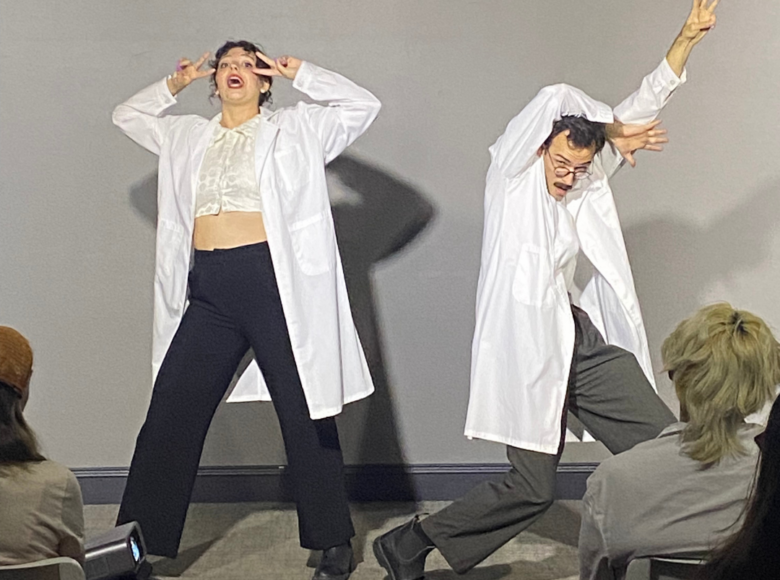
A different genre of performance will emerge across four Omaha venues as the Fringe Festival returns with the belief that “art is for everyone.”
When organizers say “for everyone,” they’re not only talking about the audience — though they strive to make the festival as accessible as possible—they’re also referring to the artists themselves.
The reality is that many creators, writers, producers and performers may not have a place for their works on some of the better-known stages across the city. There can only be so many shows produced each year, and so many performers cast.
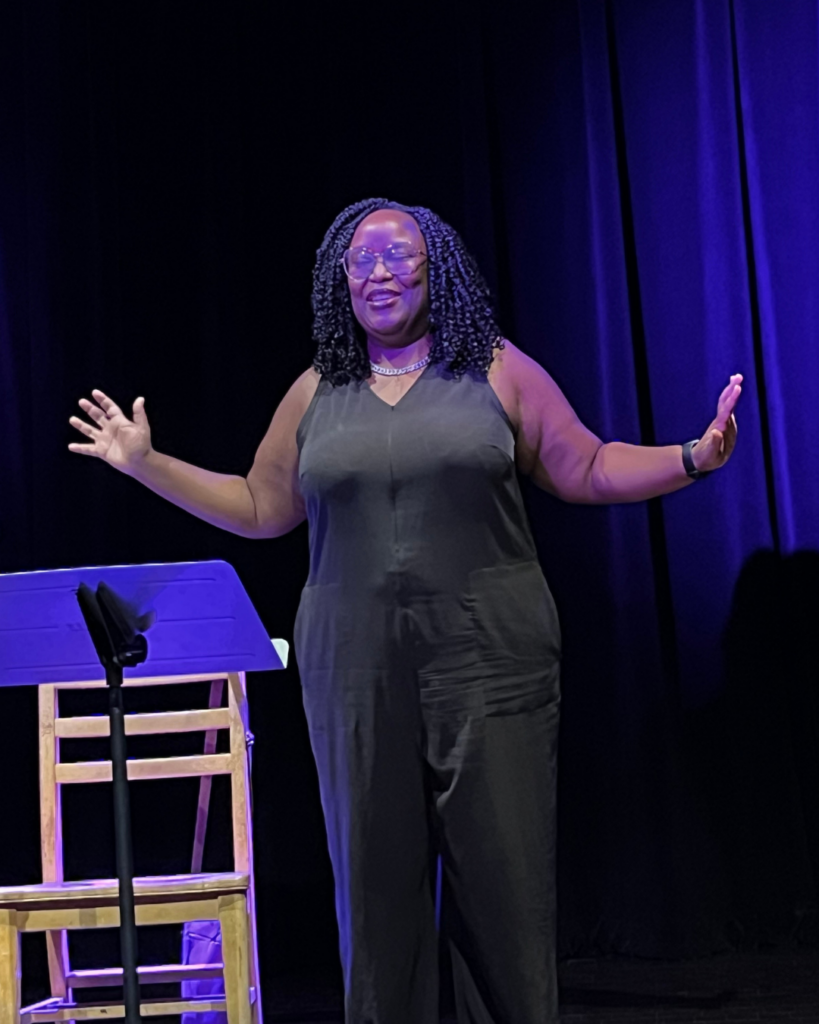
Fringe Festival, which will be held Aug. 6-9, embraces that gap in opportunity by providing a platform where anyone, regardless of background or experience, can enter to showcase their work.
Lara Marsh, the festival’s artistic director, explained the inclusive genre of art known as “fringe” has pockets in different cities, with the next closest festival taking place in Kansas City.
Omaha’s first Fringe Festival didn’t blossom until 2019, when Tamar Neumann — graduate student and friend of Marsh — brought it to life as part of her master’s thesis project. The University of Nebraska at Omaha supported the endeavor by hosting that inaugural festival.
“How she stumbled upon that particular topic, I’m not sure to this day still, but I do know it fascinated her, and she ended up doing it,” Marsh said.
After the first event, the rest was history. A festival was born — the only one of its kind in the area — offering an annual space for experimental, alternative, and independent art.
“The fringe is meant to be more of a hodgepodge of anything,” Marsh explained. “Unless you do your homework ahead of time, you walk in, you don’t know what you’re going to see.”
To truly make the festival a grab bag of artistic experiences and creative disciplines, performances are chosen through a lottery. Entries are put into a bucket and drawn at random to fill the 20 available slots. Subsequent drawings help determine the order of the waitlist.
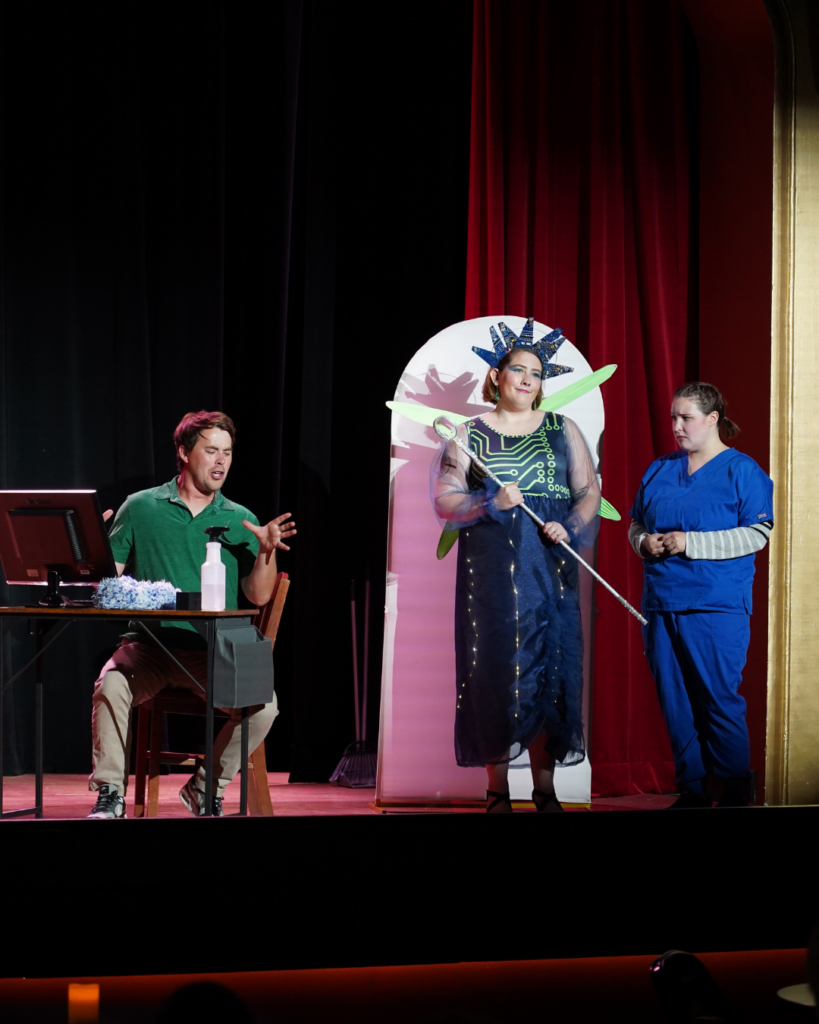
Performances are selected without filters.
“We’ve been asked that many times, how do you vet?” Marsh said. “And, you know, quite frankly, we don’t. That’s part of the 100% access.”
The only requirements for artists are that their works must be original, unpublished, and have a fully formed vision.
Common artforms include theater, comedy, dance, music, storytelling, and spoken word, but all theatrical forms are accepted, including alternative arts like belly dancing, magic, and burlesque.
Once fleshed out, the length of each show lands between 40-60 minutes, and each producer gets to decide what they want their show to be. It’s their time slot to mold.
“It’s all theatrical forms in an original format, in a short format,” Marsh said.
Festival organizers mentor artists throughout the process, offering guidance on everything from technical needs and time management to marketing their shows.
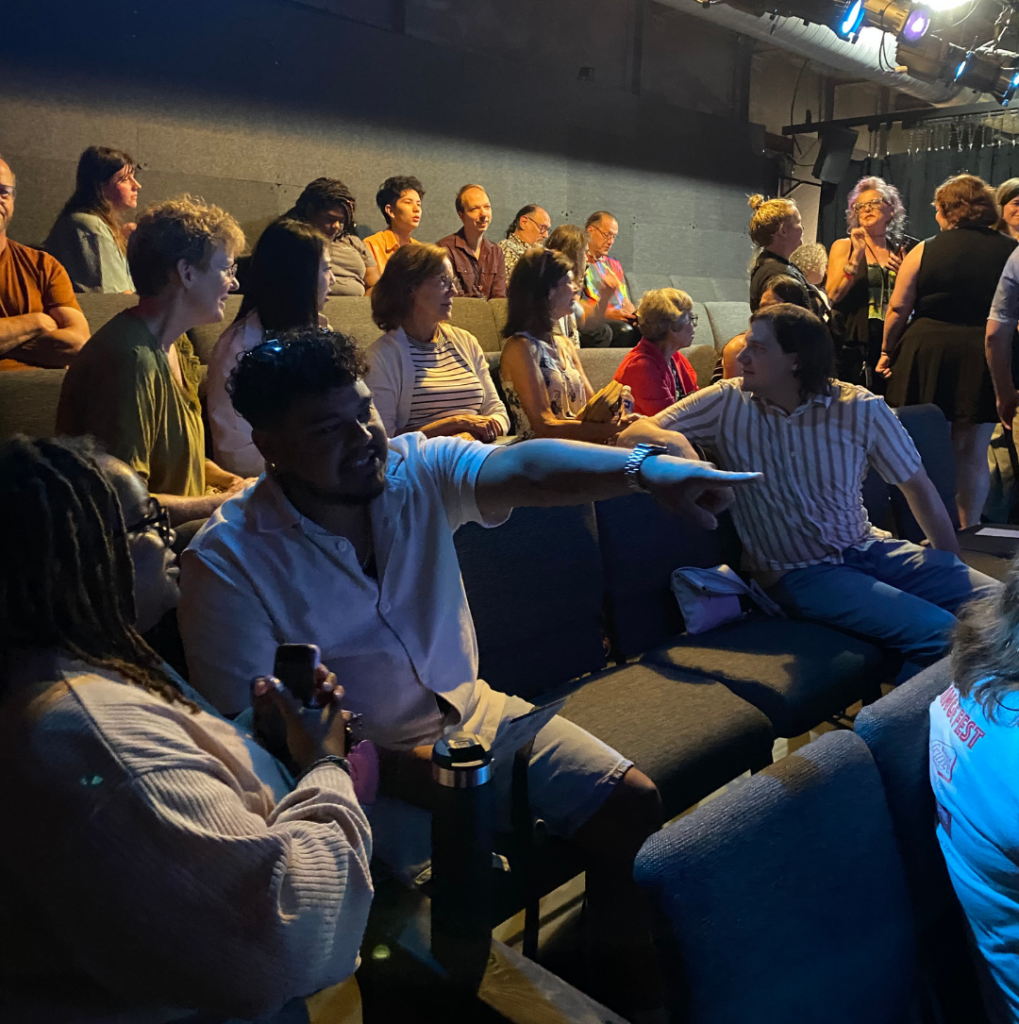
For many artists, Fringe becomes a springboard, helping performers, writers, and technicians get noticed in Omaha. Artistic directors are invited to come to scout talent, and the festival has received national attention. It helps artists develop their craft, refine their ideas, and get projects produced.
“It goes a long way to have a festival under your belt,” Marsh said.
Artists also get paid. Donations, sponsorships, grants, and ticket sales make the festival possible.
Admission also requires a $5 button, a longstanding tradition in fringing. Marsh explained the buttons help create a sense of camaraderie among festivalgoers. Each year’s button design is selected through an open art contest that — in true fringe fashion — is open to anyone, regardless of age or experience. The winning design is then featured throughout the festival’s marketing.
As far as what the audience is in for, Marsh said to expect the unexpected.
“Well, first of all, the vibe is fun. The vibe is the vibe, you know what I mean? Like, we like to be vibin’. Whatever is your jam, we hope to have it.”
The festival is a place for people to experience niche, unconventional art. Its variety allows people to step outside their comfort zone and find themselves immersed in art forms they might not otherwise experience.
Marsh reflected on one performance in particular where someone performed comedia dell’arte, a type of physical comedy that originated in 16th century Italy.
“He had this whole show tossing, I kid you not, tossing classroom desks,” Marsh said. “Tossing tools and hardware.”
She said it was very physical and acrobatic, with music and an overarching theme. The show was packed.
“I mean, it’s something like you would see off of ‘America’s Got Talent,’ you know?” Marsh said.
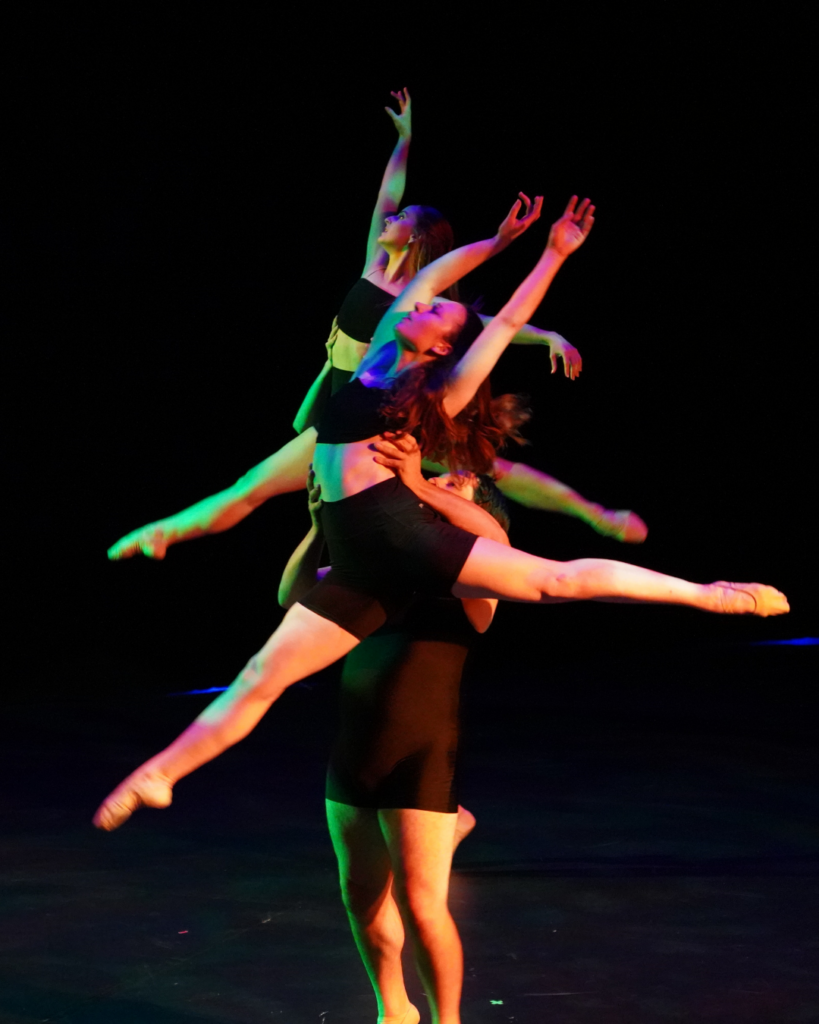
Other memorable performances include Julian Adair’s visually stunning, highly precise ballet piece; the delightfully unconventional work of “traveling fringer” Julie Leir, who continues to be selected through the festival’s lottery; and artist RIKÉ’s show, which told the story of one couple’s relationship through burlesque, a cappella singing, and guitar.
Marsh believes performances like these help “stretch the imagination beyond traditional storytelling,” and that people who may not feel they belong have a place at the Fringe Festival.
“It’s back to old age philosophy that art is for everyone,” she said. “We know it’s one of the largest healing components of humanity.”
It’s a tenet that runs through every part of the festival, from who gets to perform to who feels welcome in the audience to who designs the theme.
For a free preview of all 20 performances, Fringe Festival is inviting community members to attend the pre-party on Wednesday, Aug. 5 at 7:30 p.m. at Shelterbelt Theatre. Performer Patrick Kilcoyne will be the evening’s emcee.
Fringe Festival will take place across four venues — UNO Mainstage, UNO 006, Blackstone Theater and Shelterbelt Theatre. Tickets are $15 per performance or $80 for an All Fringe Pass. Learn more at omahafringe.org.
Marsh hopes everyone will discover at least one show they love.