

After 42 days in quarantine, the last of the hantavirus cruise ship passengers have gone home.
Leaders at the University of Nebraska Medical Center said the experience offered lessons for the next quarantine unit activation and “showed what Nebraska is all about.”
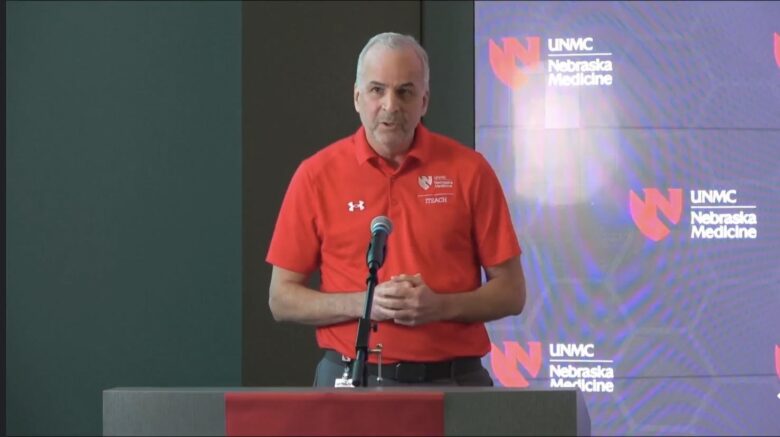
“It’s a long activation period, and over those six weeks, there’s really no room for error,” said Dr. Michael Wadman, chair of the National Quarantine Unit.
Eighteen American passengers from a cruise ship that saw a hantavirus outbreak arrived at UNMC on May 11. Their quarantine in Omaha was part of a nationally coordinated effort to assess, contain and treat any potential infections.
Late last week, UNMC was down to six of the original 18 passengers. The Centers for Disease Control and Prevention requested that passengers remain in quarantine through May 31. But symptoms of hantavirus can take up to 42 days to appear, so all passengers were “strongly encouraged” to stay through June 21.
Hantavirus is an illness typically tied to rodents, but it may have passed from human to human aboard the MV Hondius cruise ship, the World Health Organization (WHO) said. Three ship passengers died from the disease.
Wadman said the quarantine unit aims to “constantly improve,” so UNMC leaders listened closely to the needs and experiences of those under quarantine.
“None of us can say we know what it’s like, and we want that feedback, so that we can do better every time we activate,” Wadman said. “The people in Nebraska also stepped up.”
Local restaurants delivered food. Nearby schools sent cards. Omaha Steaks grilled out in the parking lot, and online support rolled in.
Lessons learned in Nebraska will be shared with other regional treatment centers, said Angela Vasa, director of isolation and quarantine for special pathogens at Nebraska Medicine. That includes mental wellness forums for those in quarantine and improved day-to-day operations.
With the hantavirus quarantine coming to a close, Vasa said UNMC is keeping a close eye on the Ebola outbreak in the Democratic Republic of the Congo and Uganda. No cases have been reported in the United States.
“At this time, we don’t have an official request or an active request to accept any individuals exposed to Ebola virus disease or Bundibugyo virus,” Vasa said, “but our team is ready, and we maintain that readiness through our training, our drills, and so should the need arise, our team would be able to respond in in response to that request.”